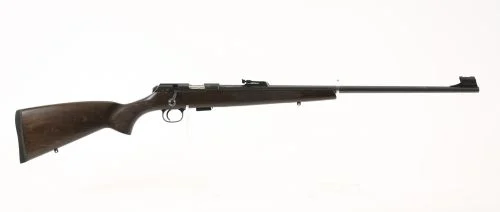
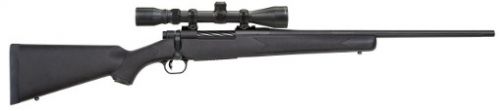
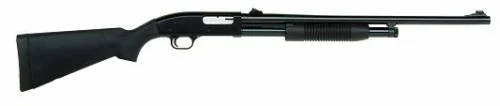
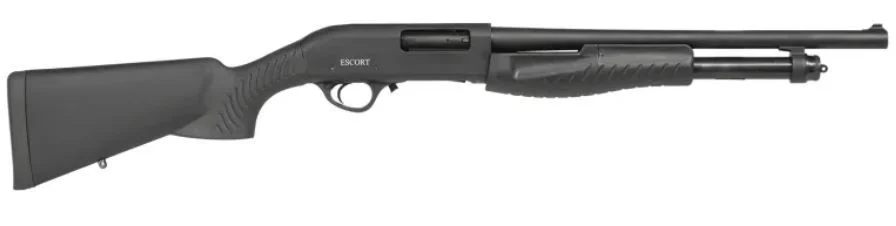
Minnesota deer rifles
What to carry for the November firearms season, from the cedar swamps up north to the corn country that was slug-only until this year.
General information, not legal advice or official regulations. Season dates, permit areas and legal firearms are set by the Minnesota DNR and by statute, and they change. Always read the current Minnesota Hunting Regulations for the permit area and county you hunt. Reviewed September 2026.
The shotgun zone is gone statewide. Your county may differ.
For decades the southern and western part of the state, roughly the farm country below a line from Moorhead to the Twin Cities to the Wisconsin border, was a shotgun zone. Deer hunters there were limited to shotguns with slugs, muzzleloaders and legal handguns. In 2025 the legislature repealed that restriction, effective for the 2026 season. Under state law, a centerfire rifle that is legal for deer in the northern forest is no longer barred in the southern farm counties.
There is a catch. The same law lets a county that sat in the old zone choose to keep the shotgun-only rule inside its borders. We are not going to list which counties have done so, because that can change between the day we write this and the day you hunt. Before you buy a rifle for ground in the former zone:
- Open the current DNR deer regulations and look up the permit area and county.
- Check the county's own website or call the county office for a firearms ordinance.
- If you hunt in two counties, check both.
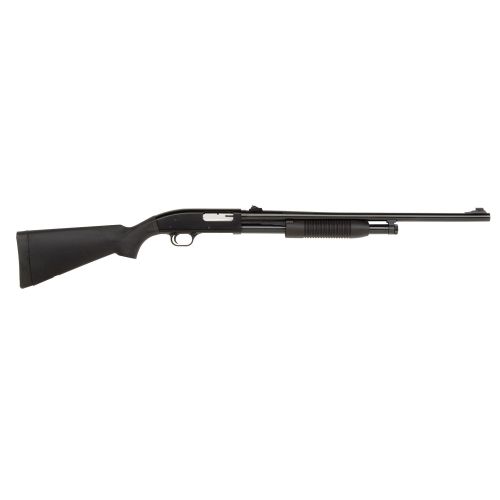
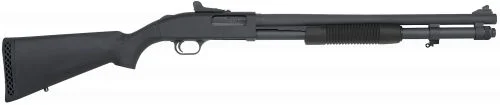
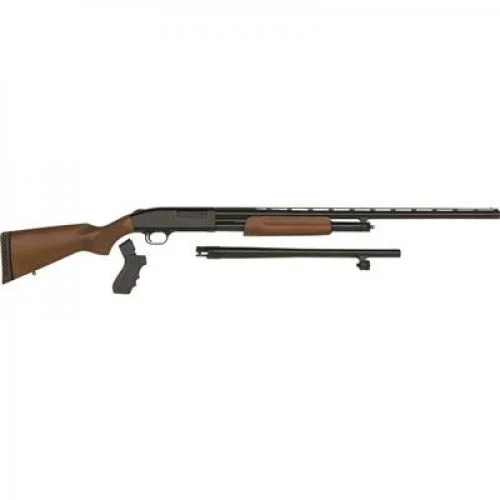
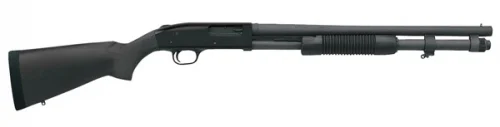
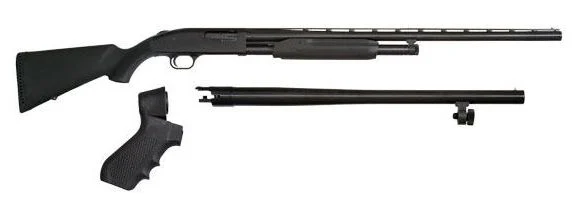
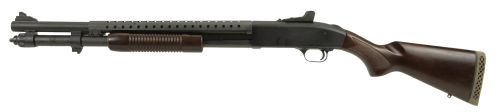
If your county did keep the rule, a rifled-barrel slug gun is still a very good deer gun inside 150 yards, and we list those further down.
North woods: short shots, thick cover
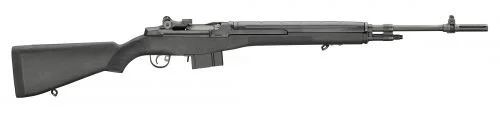
In the 100-series permit areas, from the Arrowhead across to the bog country, most deer are shot under 100 yards, often under 50, and often moving. That is why camps up there are full of .30-30 lever actions, .308 bolt guns with low-power scopes, and pump and semi-auto rifles in .30-06. Pick something that comes to the shoulder fast, carries well on a long walk to the stand, and works with cold fingers at ten below. A 1-4x or 2-7x scope is plenty. Stainless and synthetic rifles shrug off the wet snow that usually arrives by the second weekend.
Transition and farm country
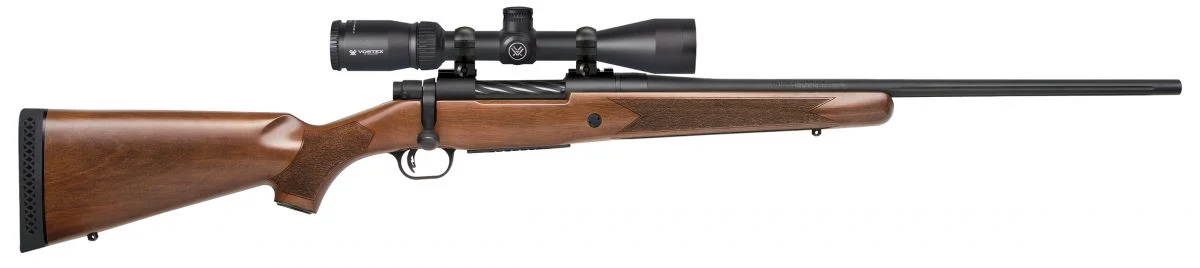
South and west the cover opens into field edges, river bottoms and CRP grass, and a 200-yard shot across a picked bean field is realistic. If your county allows rifles, a bolt action in .308, 6.5 Creedmoor, .270 or 7mm-08 with a 3-9x scope covers it. If you are coming from a slug gun and want something mild, straight-wall rounds like the .350 Legend recoil less than a 20-gauge slug and shoot flatter. In flat, settled country be strict about your backstop. A rifle bullet carries much farther than a slug, which is the reason some counties are weighing the local rule.
What the regulations require
- Cartridge: centerfire, at least .22 caliber, single soft-point or expanding bullet. Full metal jacket is not legal for big game.
- Shotguns: single-projectile slugs for deer.
- Blaze orange or blaze pink cap and outer clothing above the waist during firearms deer seasons (Minn. Stat. 97B.071).
- License and tag for the right season and permit area, bought before you hunt. Some permit areas are lottery for antlerless deer.
- Register the deer as the regulations direct, and follow any CWD sampling and carcass-movement rules for your area.
Sight in before the opener
Public and club ranges fill up the last two weekends of October. Go early in the month, shoot the exact load you will hunt with, and zero for the distance you actually expect. For the woods, dead on at 100 is fine. For open ground, an inch and a half high at 100 keeps most deer cartridges within a few inches out to 225. Buy two boxes of the same lot while you are at it, because shelves thin out fast in the week before the season.
Grouse and the rest of the fall
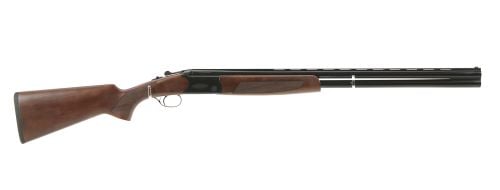
Deer season is two weeks. Bird season is three months. Minnesota's aspen forests hold more ruffed grouse than almost anywhere, with woodcock mixed in through October, and the season runs from mid-September into early January. A light 20 or 28 gauge with open chokes is the classic grouse gun, since you carry it far more than you shoot it. On the western prairie a 12 gauge with modified choke handles late-season pheasants. Waterfowl requires non-toxic shot. The DNR small-game regulations have the dates and limits.